The European Institute for Peace and Governance (EIPG)
For decades, the concept of deterrence has been one of the central pillars of international security. During the Cold War, deterrence was largely defined by nuclear weapons and the logic of mutually assured destruction. Major powers avoided direct confrontation because the consequences of escalation would have been catastrophic for all sides involved.
However, the nature of deterrence is now undergoing a profound transformation. Emerging technologies such as autonomous drones, artificial intelligence, and cyber warfare capabilities are reshaping the way states project power, conduct military operations, and calculate strategic risks. These technologies lower the threshold for conflict, enable deniable attacks, and allow states and non-state actors to operate in a gray zone between war and peace.
As a result, the traditional logic of deterrence based on clear attribution, massive retaliation, and predictable escalation appears increasingly fragile. In its place, a more complex and unstable strategic environment is emerging.
The Evolution of Deterrence in Modern Warfare
Historically, deterrence relied on the ability of states to threaten overwhelming retaliation in response to aggression. Nuclear weapons, long-range missiles, and conventional military superiority served as visible and credible tools of deterrence.
This model worked because the actors involved were relatively limited in number, and the consequences of escalation were well understood. During the Cold War, both the United States and the Soviet Union developed elaborate systems of strategic signaling and crisis management designed to avoid accidental escalation.
Today, the strategic environment is far more fragmented. Multiple actors possess advanced military technologies, and emerging tools of warfare often operate below the threshold of traditional armed conflict.
Hybrid warfare, cyber operations, and autonomous weapons systems allow states to inflict damage without triggering the kind of escalation that traditional deterrence doctrines were designed to prevent.
The Rise of Drone Warfare
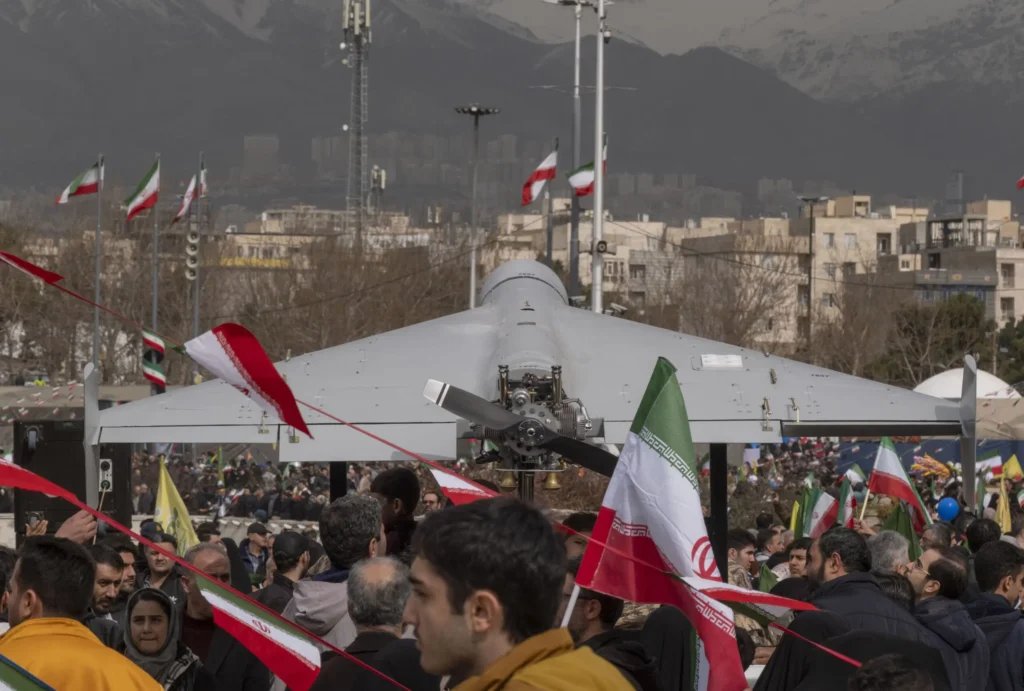
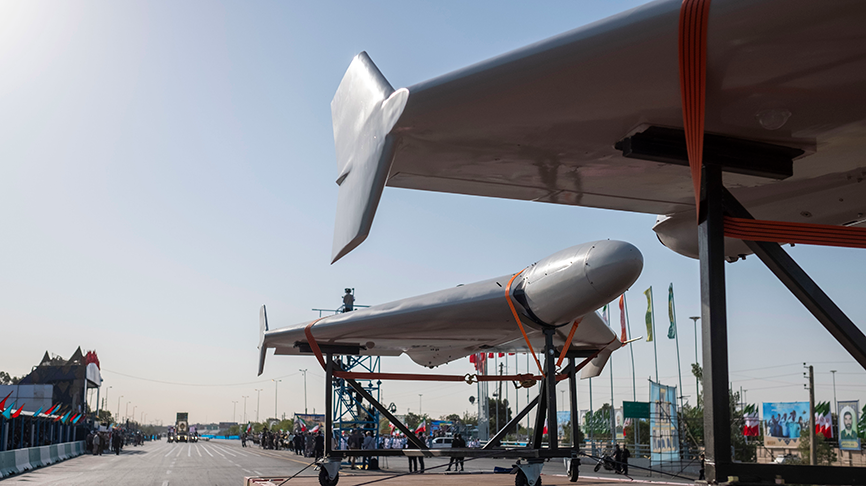
One of the most significant developments in modern warfare has been the rapid proliferation of drones. Unmanned aerial vehicles (UAVs) have transformed battlefield dynamics by providing states with relatively inexpensive, flexible, and highly effective tools for surveillance and precision strikes.
Initially developed by advanced military powers such as the United States and Israel, drone technology has rapidly spread across the globe. Today, a growing number of countries possess armed drone capabilities, and non-state actors have also demonstrated the ability to deploy drones in conflict environments.
Drone warfare has fundamentally altered the cost structure of military operations. Compared to traditional fighter aircraft or missile systems, drones are significantly cheaper to produce and operate. This affordability allows even relatively small actors to field substantial drone forces capable of inflicting meaningful damage.
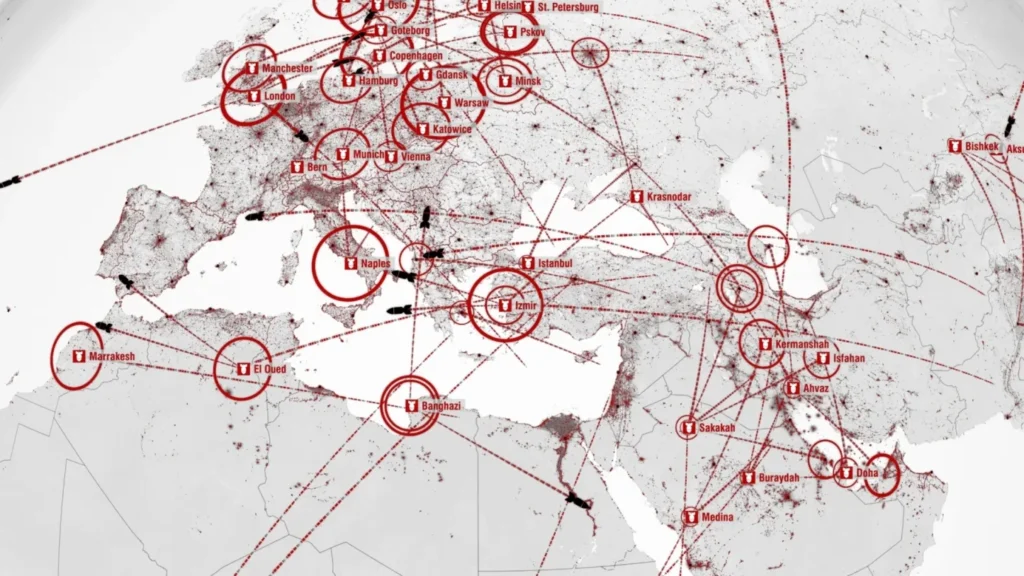
The wars in Ukraine, the Middle East, and the Caucasus have demonstrated how drones can reshape battlefield tactics. In some cases, drone swarms have been used to overwhelm air defense systems, while loitering munitions have enabled precise strikes against armored vehicles, artillery positions, and command centers.
The widespread availability of drones reduces the effectiveness of traditional military deterrence because the cost of initiating attacks has become significantly lower
Artificial Intelligence and Autonomous Weapons
Artificial intelligence is rapidly becoming a central component of modern military systems. AI technologies are increasingly used to analyze battlefield data, identify targets, coordinate autonomous systems, and enhance decision-making processes.
Autonomous weapons—sometimes referred to as “killer robots”—represent one of the most controversial aspects of this technological transformation. These systems have the potential to operate with minimal human oversight, selecting and engaging targets based on algorithmic decision-making.
While fully autonomous weapons remain under development, semi-autonomous systems are already widely used in military operations. AI-driven surveillance systems, automated targeting platforms, and predictive analytics tools are helping militaries process enormous volumes of data in real time.
The integration of AI into warfare could significantly accelerate the pace of conflict. Decisions that once required human judgment may increasingly be delegated to automated systems capable of reacting within milliseconds.
This development raises serious strategic concerns. Faster decision cycles may reduce opportunities for diplomatic intervention and increase the risk of unintended escalation
Cyber Warfare and Strategic Ambiguity
Cyber warfare represents another major challenge to traditional deterrence frameworks. Cyber operations allow states to disrupt critical infrastructure, steal sensitive information, and influence political systems without launching conventional military attacks.
Unlike traditional military operations, cyber attacks often operate in a realm of ambiguity. Attribution can be difficult, and the identities of attackers may remain uncertain for extended periods.
This ambiguity complicates deterrence because states may hesitate to retaliate without definitive proof of responsibility. Cyber operations therefore create a strategic environment where hostile actions can occur without triggering the full consequences of military escalation.
Cyber warfare has already demonstrated its potential impact. Attacks targeting energy grids, financial systems, government networks, and communications infrastructure have shown how digital operations can create real-world disruptions.
As societies become increasingly dependent on digital infrastructure, cyber warfare is likely to become an even more significant component of future conflicts.
The Blurring of War and Peace
The combined effect of drones, AI systems, and cyber operations is the emergence of a strategic gray zone between war and peace. States can now engage in hostile actions that fall short of traditional armed conflict but still impose significant costs on their adversaries.
These gray-zone operations may include:
- cyber attacks on infrastructure
- drone strikes conducted by proxy forces
- disinformation campaigns
- economic coercion
- covert sabotage operations
Because these actions often occur below the threshold of open warfare, they complicate the traditional logic of deterrence. States must decide whether and how to respond without triggering full-scale military escalation.
This ambiguity can lead to prolonged cycles of low-intensity conflict where escalation thresholds remain unclear.
Strategic Instability in the Emerging Security Environment
The transformation of military technology is creating new forms of strategic instability. The diffusion of advanced technologies means that a larger number of actors can now conduct sophisticated military operations.
Autonomous systems and AI-driven weapons may also create new arms races. As states seek to maintain technological advantages, they may accelerate the development and deployment of increasingly advanced systems.
These dynamics increase the risk of miscalculation and unintended escalation. If autonomous systems misidentify targets or cyber operations disrupt critical infrastructure unexpectedly, crises could escalate rapidly.
The lack of clear international norms governing emerging military technologies further complicates this situation.
Rethinking Deterrence in the Age of Autonomous Warfare
In response to these challenges, policymakers and security analysts are increasingly debating how deterrence strategies must evolve. Traditional deterrence models based solely on nuclear or conventional military power may no longer be sufficient.
New approaches may need to incorporate several elements:
- resilience against cyber attacks
- defensive capabilities against drone swarms
- international norms governing autonomous weapons
- improved mechanisms for crisis communication
Rather than relying solely on the threat of retaliation, future deterrence strategies may focus more heavily on denial—preventing adversaries from achieving their objectives in the first place.
This shift requires investments in defensive technologies, infrastructure protection, and international cooperation.
Conclusion
The emergence of drones, artificial intelligence, and cyber warfare is reshaping the foundations of global security. These technologies have lowered the barriers to conflict, introduced new forms of strategic ambiguity, and weakened some of the assumptions that once supported traditional deterrence doctrines.
While deterrence itself is unlikely to disappear, it is entering a period of profound transformation. The future of international security will depend on how states adapt their strategies to a world where autonomous systems, digital warfare, and technological competition play an increasingly central role.
Without new frameworks for managing these risks, the international system may face a future characterized by persistent instability, technological arms races, and conflicts that blur the boundaries between war and peace.