European Institute for Peace and Governance (EIPG)
Energy infrastructure has increasingly become a central battlefield in modern conflict. In the context of the Iran war and the broader regional confrontation involving Gulf states, Israel, and Western allies, oil refineries, gas facilities, and maritime shipping routes have emerged as strategic targets capable of generating global economic consequences. The targeting of energy infrastructure is not merely a tactical decision; it represents a deliberate strategy designed to influence markets, disrupt national economies, and impose geopolitical pressure on adversaries.
The Iran war has illustrated how attacks on energy installations can rapidly transform a regional conflict into a global economic crisis. The Persian Gulf remains one of the most critical energy regions in the world, producing roughly 40 percent of global oil supply. As analysts have noted, Iran’s ability to disrupt oil traffic and energy facilities in this region provides Tehran with a powerful strategic lever in times of conflict.
Energy Infrastructure as a Strategic Target
Energy infrastructure occupies a unique position in modern geopolitics because it connects military conflict with economic stability. Oil refineries, gas processing plants, export terminals, and pipeline networks are vital to national economies and global markets. By targeting these installations, military actors can create ripple effects that extend far beyond the battlefield.
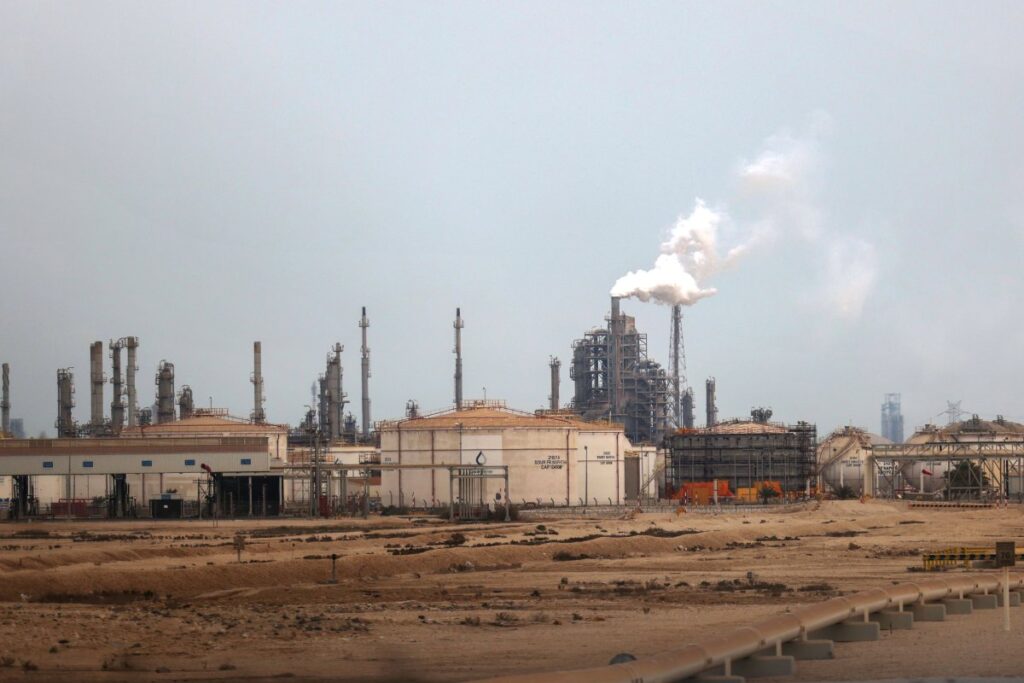
The Iran war demonstrates how energy facilities can become high-value strategic targets. Drone strikes on energy infrastructure across the Gulf region have disrupted oil production and forced temporary shutdowns of critical facilities. For example, attacks targeting Saudi Arabia’s Ras Tanura refinery — one of the kingdom’s most important oil processing centers — caused fires and operational disruptions that highlighted the vulnerability of even heavily protected installations.
Similarly, drone strikes targeting refineries in Saudi Arabia and Kuwait have raised alarms about the increasing exposure of energy infrastructure to aerial threats.
These incidents underscore a broader strategic shift: modern warfare increasingly targets economic infrastructure rather than exclusively military installations.
Historical Precedents of Energy Infrastructure Attacks
The weaponization of energy infrastructure in the Iran war is part of a longer pattern of attacks targeting oil facilities in the Middle East. One of the most dramatic examples occurred in 2019, when drones and missiles struck Saudi Aramco’s Abqaiq and Khurais oil facilities.
The attacks temporarily removed 5.7 million barrels per day of oil production, representing about five percent of global oil supply and triggering a sharp spike in oil prices worldwide.
The scale of that disruption demonstrated how a relatively small number of drones and missiles could produce global economic consequences. Since then, military planners across the region have increasingly recognized energy infrastructure as a key strategic vulnerability.
In the context of the Iran war, these earlier attacks serve as a warning about the potential scale of disruption that future strikes could generate.
The Role of Drones in Targeting Energy Infrastructure
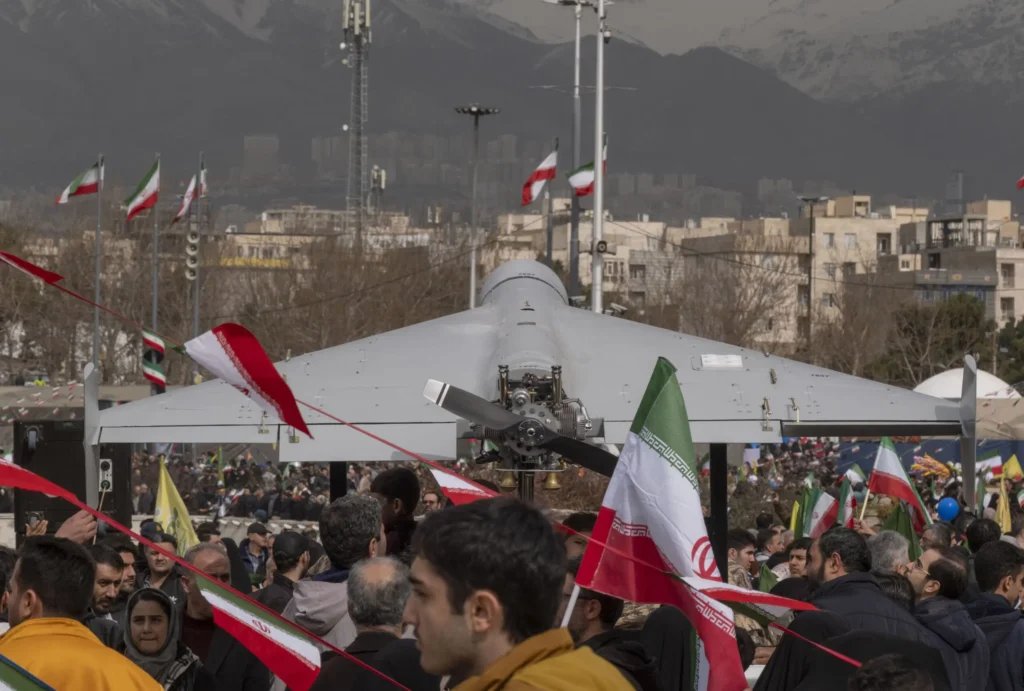
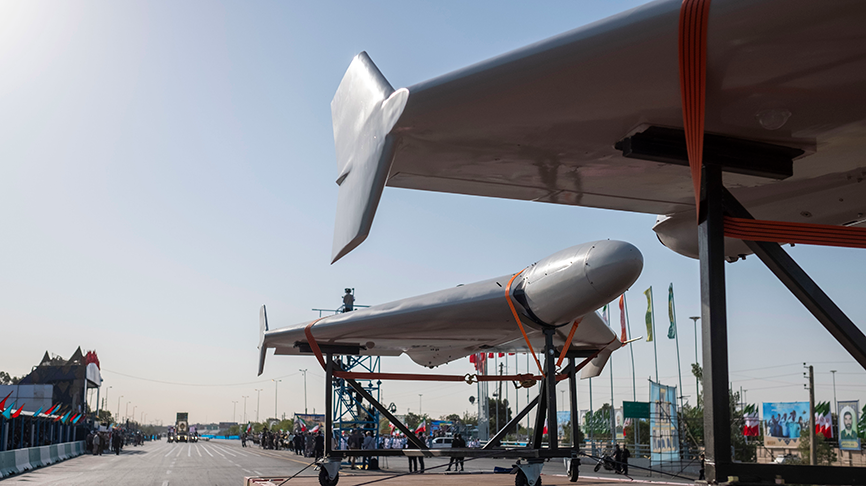
One of the defining characteristics of the Iran war is the increasing use of drones to attack energy infrastructure. Unmanned aerial vehicles allow attackers to conduct precision strikes at relatively low cost while reducing the risk to personnel.
Drones can be launched from remote locations and programmed to follow specific flight paths toward industrial targets such as refineries, storage tanks, or export terminals. Their small radar signatures and low flight altitude make them difficult to detect, particularly when deployed in large numbers.
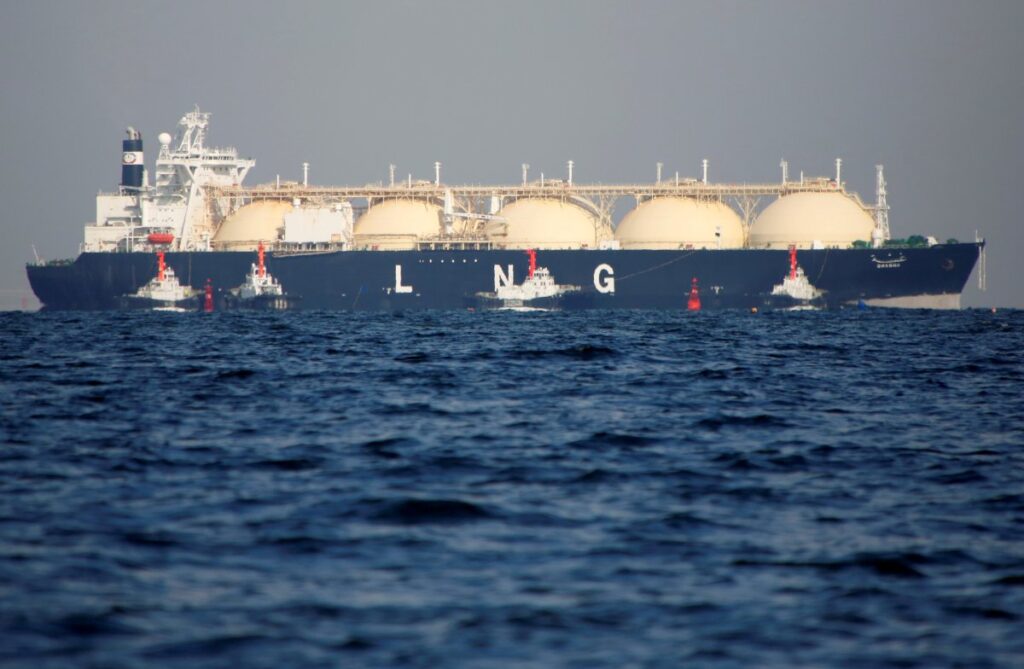
Recent waves of Iranian drone attacks have targeted energy facilities across the Gulf region, including refineries, LNG production facilities, and petrochemical plants. In one incident, drone strikes forced the shutdown of Qatar’s Ras Laffan LNG production facility, which is responsible for roughly 20 percent of global liquefied natural gas supply.
These attacks illustrate how drones can disrupt not only oil production but also global natural gas markets.
Maritime Energy Infrastructure and the Strait of Hormuz
In addition to fixed infrastructure, maritime energy routes have become major targets in the Iran war. The Strait of Hormuz serves as the world’s most important oil chokepoint, carrying millions of barrels of oil per day from Gulf producers to global markets.
Analysts warn that a military campaign targeting shipping lanes or oil tankers in the strait could disrupt up to 18 million barrels of daily oil exports.
Drone strikes against tankers in the Strait of Hormuz have already demonstrated the vulnerability of maritime energy transport. In one incident, a tanker caught fire after being struck by drones while transiting the strategic waterway, highlighting the potential risks facing commercial shipping during periods of escalation.
Such incidents can significantly raise shipping insurance costs and reduce tanker traffic, creating additional disruptions to global supply chains.
Global Economic Consequences
Attacks on energy infrastructure in the Iran war have had immediate effects on global energy markets. Disruptions to oil and gas production have triggered spikes in both oil and natural gas prices, with analysts warning that prolonged attacks could push global energy markets into crisis.
In recent developments, drone strikes targeting major energy facilities have forced the suspension of LNG production in Qatar and disrupted exports from multiple Gulf states. These disruptions caused natural gas prices in Europe and Asia to surge by as much as 50 percent, illustrating the global consequences of regional conflict.
Energy markets are particularly sensitive to geopolitical risk because supply chains depend on stable infrastructure and secure shipping routes. Even the threat of attacks can trigger price volatility as traders anticipate potential disruptions.
Strategic Implications for Regional Security
The weaponization of energy infrastructure has significant implications for regional security dynamics. Gulf states have invested heavily in air defense systems designed to protect oil installations and industrial zones from missile and drone attacks.
However, the Iran war has exposed weaknesses in existing defensive systems. Drone swarms and coordinated missile attacks can overwhelm traditional air defenses, particularly when multiple installations are targeted simultaneously.
Security analysts increasingly argue that energy infrastructure must be treated as part of national defense planning rather than simply economic infrastructure. This includes strengthening defensive systems, diversifying export routes, and developing contingency plans for supply disruptions.
The Future of Energy Security
The Iran war highlights a broader transformation in the relationship between energy and warfare. Energy infrastructure has become both a strategic vulnerability and a strategic weapon.
Future conflicts are likely to continue targeting energy installations because of their economic impact. Even limited strikes can disrupt production, trigger market panic, and influence political decision-making.
As a result, governments and international institutions may need to reconsider how energy infrastructure is protected under international law and conflict regulations.
Some analysts have suggested that attacks on major energy infrastructure should be treated similarly to attacks on civilian infrastructure due to their widespread economic and humanitarian consequences.
Conclusion
The Iran war demonstrates that energy infrastructure has become a central battlefield in modern geopolitics. Oil refineries, gas processing facilities, pipelines, and maritime shipping routes are now strategic targets capable of shaping the outcome of regional conflicts.
The weaponization of energy infrastructure represents a powerful form of economic warfare. By targeting these installations, military actors can disrupt global markets, weaken adversaries, and influence geopolitical outcomes far beyond the immediate battlefield.
As the Iran war continues to unfold, the protection of energy infrastructure will remain one of the most critical challenges facing regional governments and the international community.
Understanding this transformation is essential for policymakers seeking to prevent future conflicts from triggering global energy crises.